

What makes ragas interesting?
Plus, John Coltrane

In my previous newsletter, I had touched briefly on ragas being more than just scales, meant to be played at a certain time of day.
As a child, the main mood-invoking pieces I played were Chopin’s nocturnes, lots of Debussy, and of course, Beethoven’s famous Moonlight Sonata (a title that wasn’t given to the sonata by the composer himself, but by a German music critic called Ludwig Rellstab). These works were what transported me to a certain time of day, evoked moods and calmed me with their soothing, almost meditative energies.
But ragas have been doing that for over 7,000 years!
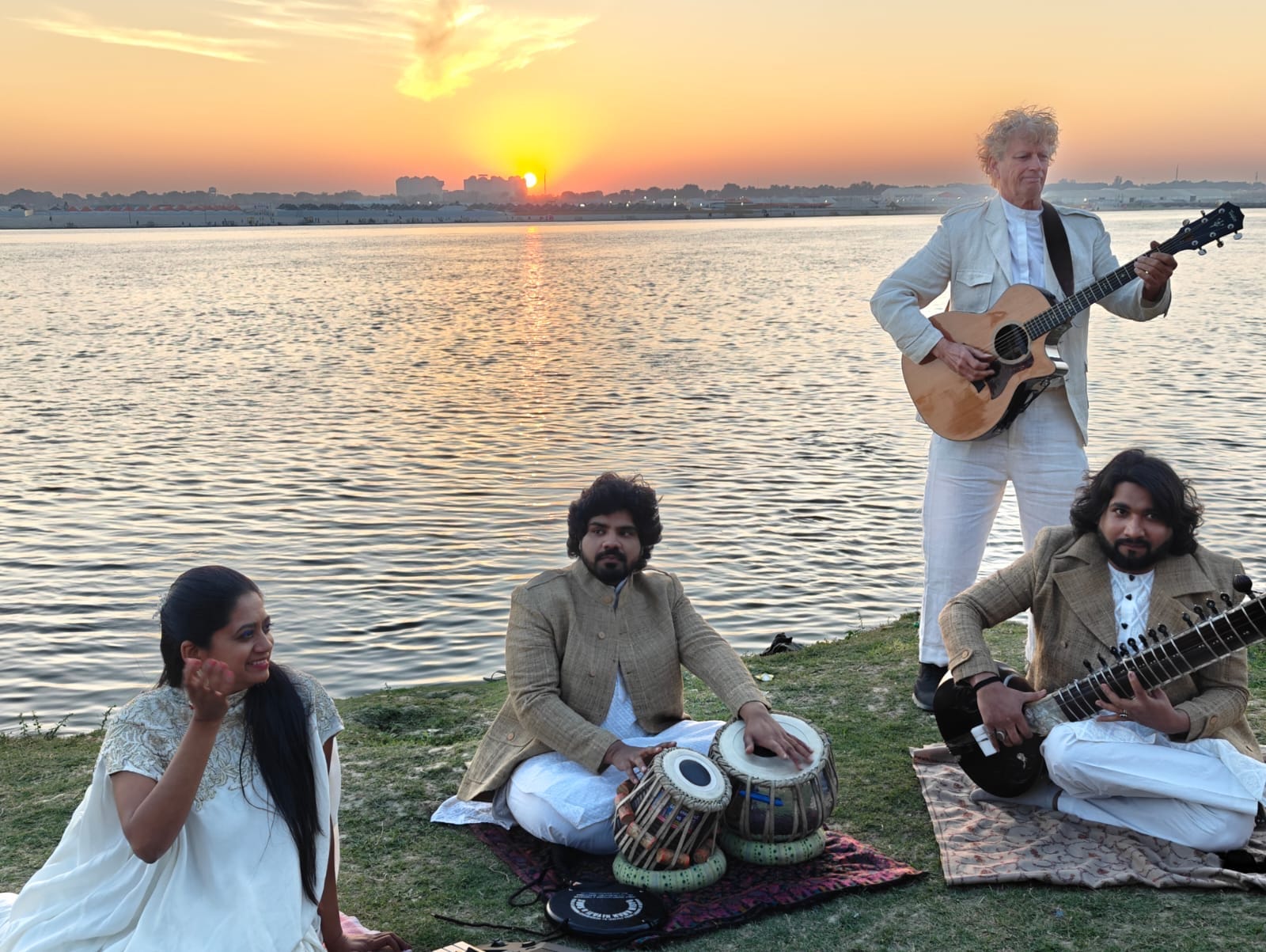
This photo was taken on the banks of the Ganges in Prayag Raj where we filmed “Sounds of Kumbha” by Siddhant Bhatia. We played some raga-based music and it captured the essence of the time of day beautifully
In the ancient vedic texts, there was no concrete mention of ragas. But those texts mentioned what we call swaras (these are the notes you’re probably familiar with— the Indian phonetics of Sa Re Ga Ma Pa Dha Ni Sa—-the Eastern equivalent of Do Re Mi Fa So La Ti Do). These mentions later on gave rise to the world of ragas.
While ragas are older than traditional Western scales, they are far from mainstream. This could be because the tradition of using ragas stayed mostly in the Indian subcontinent and played in the classical music found there with melodic improvisations and rhythm (there is no harmony in the world of ragas and Indian music). It is only when we start to add chords and harmonic movements that it starts sounding more different and jazzy , for lack of a better term. That’s why I call my compositions raga jazz.
In fact, when I started composing some of my earlier pieces, I would perform my raga-inspired piece to my teacher who looked at my a bit stupefied. “I cannot hear the raga in what you played,” she would say. This is because traditional Indian music does not have harmony: once you open up harmonic layers to the raga, it becomes something completely different, and complex…its own thing (Here’s my version of raga Kalyani in jazz; Kalyani is equivalent to the Lydian mode. And here is raga Kalyani sung in a traditional Indian classical way by the great M.S. Subbalakshmi).
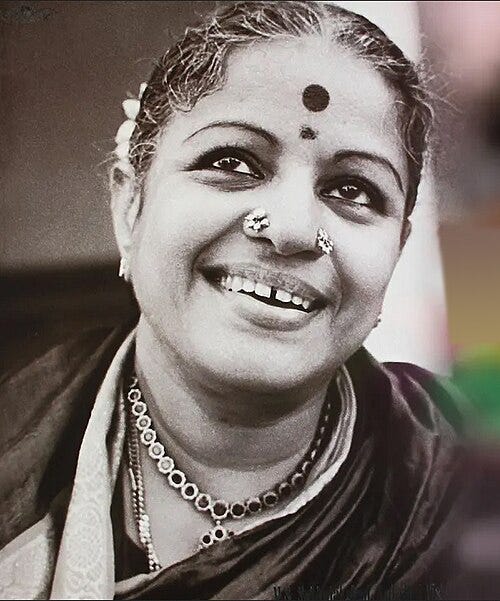
M.S. Subbalakshmi was a master of the Indian raga, giving each raga the depth and nuances and “ang” —the specific melodic phrases, note combinations, or overarching structural divisions that give a raga its unique identity, flavor, and emotional appeal
John Coltrane was deeply fascinated by Indian music which shaped his later work. Inspired by Ravi Shankar, he incorporated sitar drones in his work, sometimes employing two bassists, and tracks like “India” (recorded live at the Village Vanguard) and “Olé” (a wonderful Spanish and India blend studio album!) are excellent examples of the Indian bug in his work.
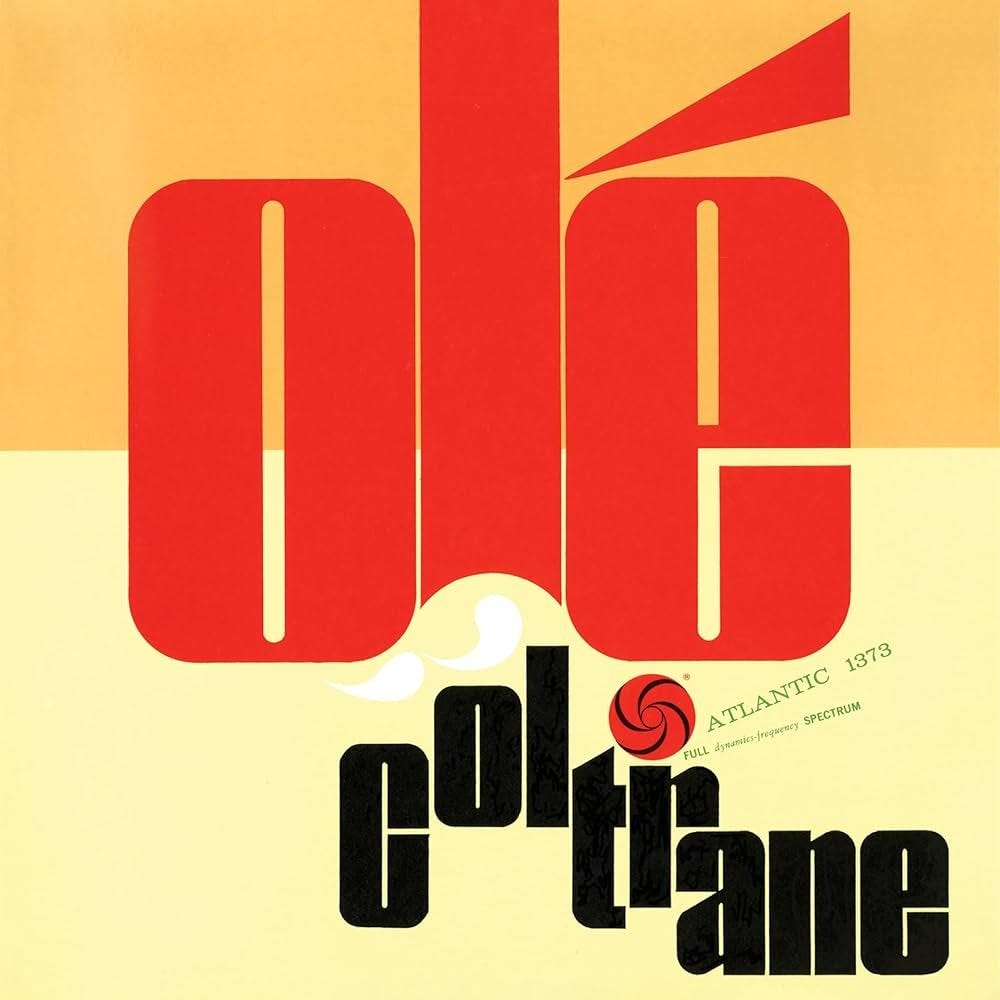
That’s why when people tell me, “a raga is a scale, right?” I have to tell them that they are far more complex than that. And it is truly beautiful to discover what many composers have done with ragas, like Coltrane above.
Stay tuned for more news and insight, as well as interviews with diverse musicians!